Scaling from $200M to $1B: What It Really Takes

On paper, the answer sounds simple. We grew from $200 million in projects bid to over $1 billion. Our low bids increased from $20 million to over $100 million. The obvious explanation is volume.
But volume is the outcome—not the strategy.
The real challenge isn’t deciding to grow. It’s building the machine that can handle that growth without breaking. To get there, we had to dramatically increase recruiting, interviewing, hiring, and training. And doing those things at scale is where most organizations fail. It’s easy to hire a bunch of people, but identifying the really good ones that fit with your culture is difficult to consistently do. Evaluating, and developing talent when the pace accelerates and the stakes get higher is a juggling act at best and a disaster at worst.
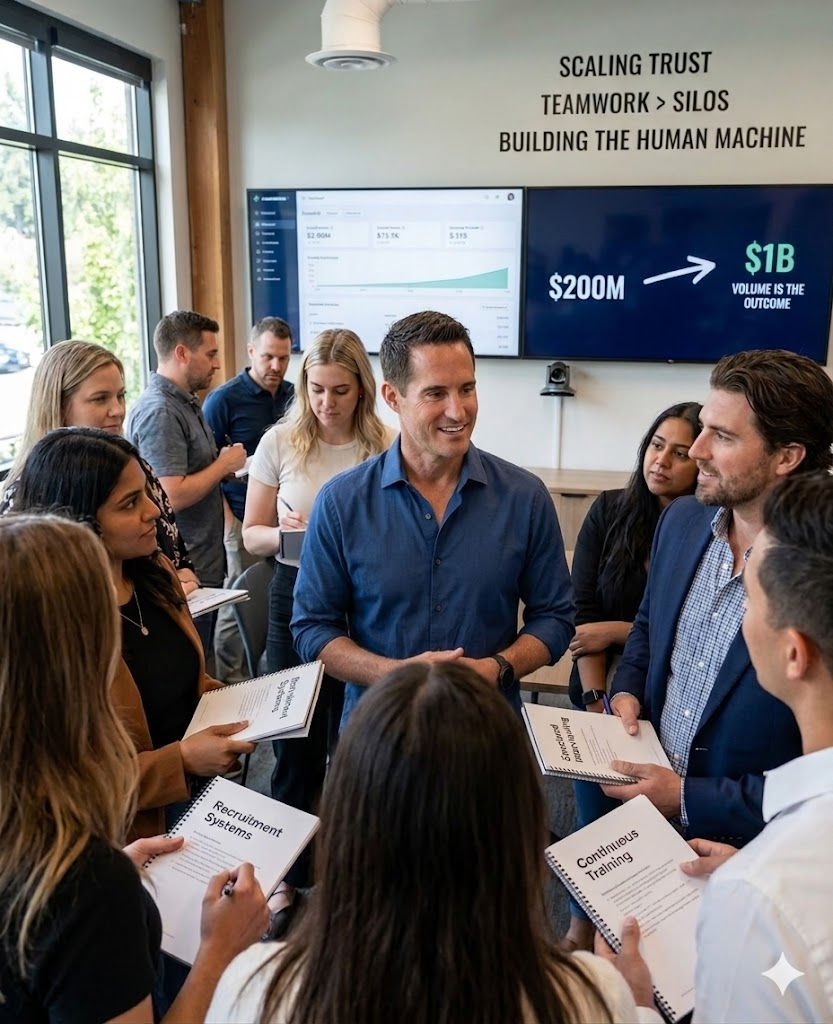
At scale, every weakness in your process gets exposed. Every shortcut compounds. Every bad hire costs more and most of all your actual intent for the well being of those team members becomes apparent. So we had to get disciplined. We had to build systems to interview at scale and identify candidates that were a fit and do it fast...not just fill roles. Recruiting has to be proactive instead of reactive. Interviewing has to become structured as well as intuitive. Hiring decisions become more deliberate. Training becomes continuous, not something that stops after onboarding.
But even that wasn’t enough.
Because you can’t scale a business without scaling trust. As the team grows, communication naturally becomes more complex. Silos start to form. Misalignment creeps in. If you don’t actively build a culture of teamwork and trust, growth will stall—or worse, collapse under its own weight.
We had to be intentional about culture. Not as a slogan, but as a daily practice. Having your core values posted on the wall, but not treating people with respect will not be sustainable.
That meant showing up consistently. Being present. Listening. Supporting people when they needed it, not just when it was convenient. It meant creating an environment where people felt like they mattered—not just for what they produced, but for who they were as part of the team.
And here’s the part that can’t be faked: You have to genuinely care.
People can tell the difference. If your interest in them is transactional, they’ll respond the same way. But if they feel valued, respected, and appreciated, they’ll give you something you can’t buy—commitment.
Most people are not primarily motivated by money. They’re motivated by feeling important. By being part of something meaningful. By knowing their contribution matters.
When you get that right, something powerful happens.
People push harder. They collaborate more. They take ownership. They start to think beyond their role and invest in the success of the company as a whole.
That’s what makes real growth possible.
So yes, we increased volume. But volume was just the result of building the right team, the right systems, and the right culture, not just slogans on the wall.
If you want to scale, don’t start with the numbers.
Start with the people.


